How Do Local Flowers Reduce a Bouquet's Impact?
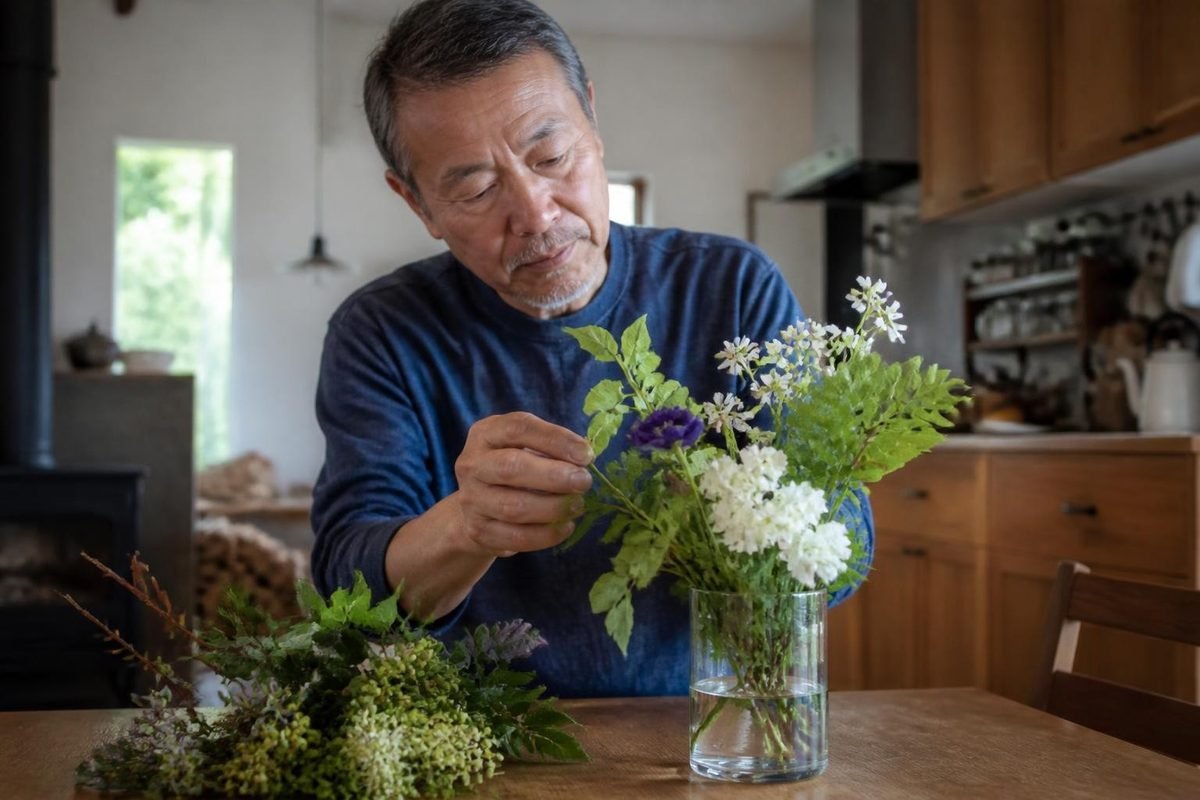
Locally grown flowers can reduce a bouquet's environmental impact by shortening the journey from field to vase and, in some cases, reducing the need for refrigerated storage. The benefit depends on how the flowers are grown and transported, so local is a useful starting point rather than a guarantee of a lighter footprint.
A shorter journey to the vase
Cut flowers are delicate and need careful handling. Flowers grown far from the place where they are sold may travel by air or road and spend time in refrigerated storage. Transport and cooling both use energy.
A nearby grower may be able to harvest flowers and deliver them over a shorter distance, with less time in storage. That can reduce energy use, although the type of vehicle, the size of the delivery and the cooling used along the way all matter. A short trip in a nearly empty vehicle is not automatically more efficient than a larger, well planned delivery.
Season and growing conditions matter
Flowers grown outdoors in their natural local season may need less energy for heating and artificial light than flowers grown in a heated greenhouse. Choosing seasonal stems can therefore make a difference as well as supporting a local grower.
Local does not always mean low impact. A flower grown nearby in a heated greenhouse can use more energy in production than a flower grown outdoors farther away. Water use, fertilizer and pest control also vary between farms. Asking how flowers are grown gives you a fuller picture than distance alone.
If you are unsure what is in season, a grower or florist can suggest flowers and foliage that are available locally at that time. The bouquet may look different from the one you first imagined, but it can still feel personal and carefully chosen.
Small choices for a thoughtful bouquet
You do not need perfect information to make a considered choice. Start with what is available, and ask a few simple questions. These steps can help:
- Choose locally grown flowers that are in season.
- Ask if the stems were grown outdoors or under cover.
- Ask the grower how they manage water and pests.
- Request less wrapping, or choose paper instead of plastic where practical.
- Keep the flowers in clean water and refresh it regularly to help them last.
A mixed bouquet can be a practical option if not every flower you want is grown nearby. You might choose local foliage and seasonal focal flowers, then use other stems sparingly. Clear, kind questions can help a seller explain what is available without making the choice feel complicated.
Questions you might have
Are local flowers always the greener choice?
No. Heating, water use, transport and other growing practices all contribute to impact. Distance alone cannot tell the whole story.
Do local flowers need refrigeration?
They may. Cooling helps protect cut flowers, even on short journeys, but a shorter supply chain can sometimes reduce the time they spend in storage.
How can I tell if a flower is locally grown?
Ask the seller where it was grown. A flower arranged locally is not necessarily a flower grown locally.
What if local flowers are not available?
Choose flowers you will enjoy and care for, and consider reducing packaging. You can also ask about seasonal options from growers farther away.
Related reading: https://kartyonline.net/jak-bezpiecznie-kupowac-i-zamawiac-prezenty-online-na/